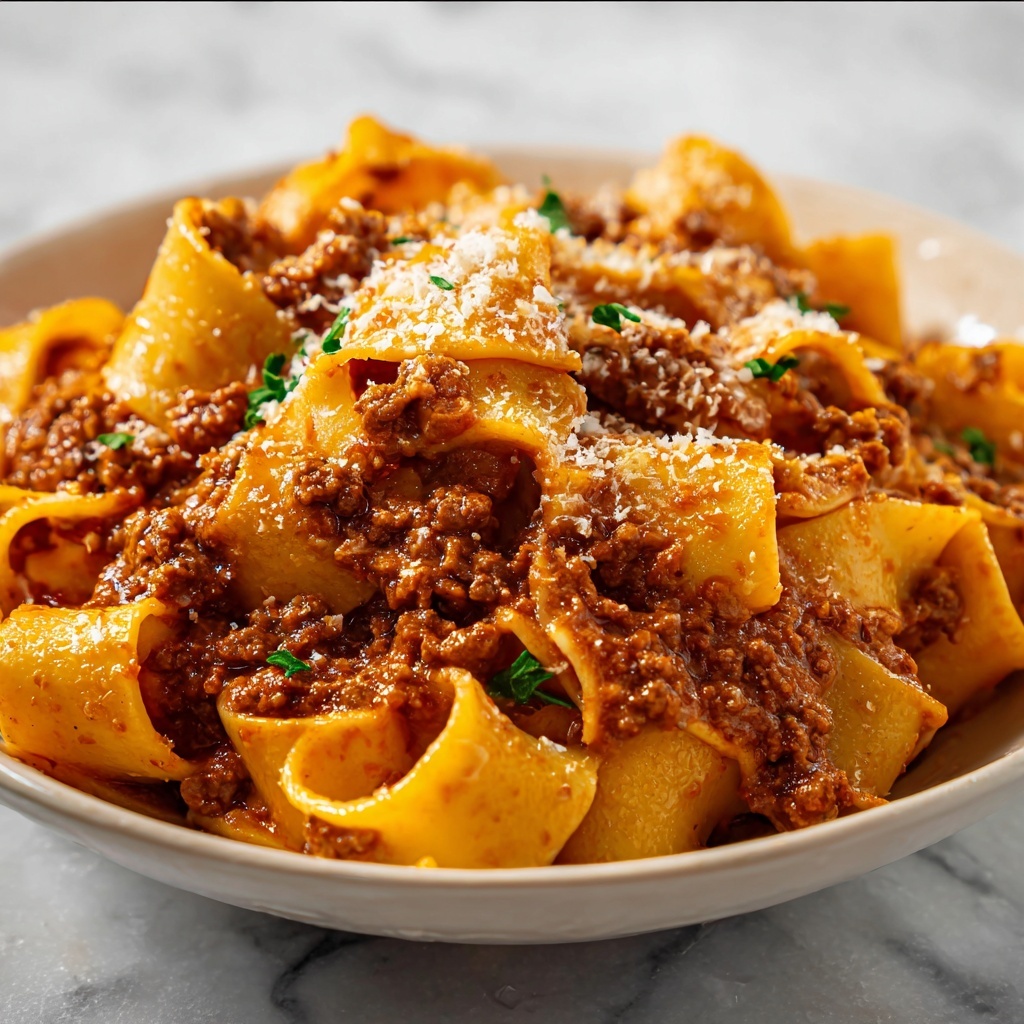
If you’ve ever dreamed of recreating the rich, hearty flavors of Italy right in your own kitchen, this Tuscan Ragu Recipe is your golden ticket. It’s more than just a meat sauce; it’s a slow-cooked symphony of savory beef, fresh herbs, and robust tomatoes that meld together into a luscious, comforting dish. Perfect for cozy dinners and gatherings alike, this Tuscan Ragu Recipe embraces the rustic charm of Tuscany with every bite, marrying simplicity with unforgettable depth of flavor.
Ingredients You’ll Need
What makes this Tuscan Ragu Recipe truly special is how a handful of simple, quality ingredients come together to create something extraordinary. Each component plays a vital role in building the sauce’s perfect balance of taste, texture, and color.
- Olive oil: Provides a fruity, rich base and helps soften the vegetables for a mellow flavor.
- Yellow onion: Adds natural sweetness and depth once finely chopped and sautéed.
- Carrot: Contributes subtle sweetness and texture that rounds out the sauce.
- Celery stalk: Offers a crisp aromatic foundation essential for any classic ragu.
- Garlic cloves: Brings pungent warmth and a fragrant kick to the dish.
- Ground beef (or beef and pork mix): The hearty protein core delivering richness and a satisfying bite.
- Salt and black pepper: Essential seasonings that enhance all underlying flavors.
- Dry red wine: Adds complexity and acidity, elevating the sauce’s character.
- Tomato paste: Intensifies tomato flavor and thickens the sauce.
- Crushed tomatoes: Provides freshness and body to the ragu.
- Whole milk: Softens the acidity and creates a velvety finish.
- Bay leaf: Infuses subtle herbal notes during the slow simmer.
- Fresh rosemary: Offers piney, earthy aromas perfect for Tuscan dishes.
- Fresh parsley: Adds a bright finishing touch and vibrant color.
How to Make Tuscan Ragu Recipe
Step 1: Sauté the Vegetables
Start by warming olive oil in a heavy-bottomed pot over medium heat. Gently cook the finely chopped onion, carrot, and celery until they soften and release their incredible aromas. This vegetable trio, known as soffritto, forms the flavor foundation that makes the ragu so comforting and layered.
Step 2: Add Garlic and Brown the Meat
Stir in the minced garlic briefly to awaken its fragrance, then add the ground beef (or beef and pork mix). Season generously with salt and pepper and cook until the meat is browned all over, breaking it apart as it sizzles. This browning step is crucial as it builds that deep umami flavor that defines a good ragu.
Step 3: Deglaze with Red Wine
Pour in the dry red wine, letting it simmer to reduce mostly. The wine not only lifts the browned bits off the bottom of the pot, adding incredible flavor, but it also brings a touch of acidity that brightens the richness of the meat and tomatoes.
Step 4: Add Tomato Elements and Milk
Mix in the tomato paste and crushed tomatoes, then pour in the milk. The milk is a secret weapon here — it cuts through the tomato acidity and makes the sauce silky smooth. Add the bay leaf and rosemary to infuse those authentic Tuscan herbal notes during cooking.
Step 5: Simmer Slowly
Reduce the heat to low and let your ragu gently simmer, partially covered, for 45 to 60 minutes. Stir occasionally as the sauce thickens and the flavors meld into that classic richness you crave. Patience is key — this slow simmer unlocks the full potential of each ingredient.
Step 6: Finish and Season
Once thick and luscious, remove the bay leaf. Stir in the fresh parsley for a burst of brightness and adjust seasoning to taste with extra salt and pepper if needed. Your Tuscan Ragu Recipe is now ready to elevate any meal.
How to Serve Tuscan Ragu Recipe
Garnishes
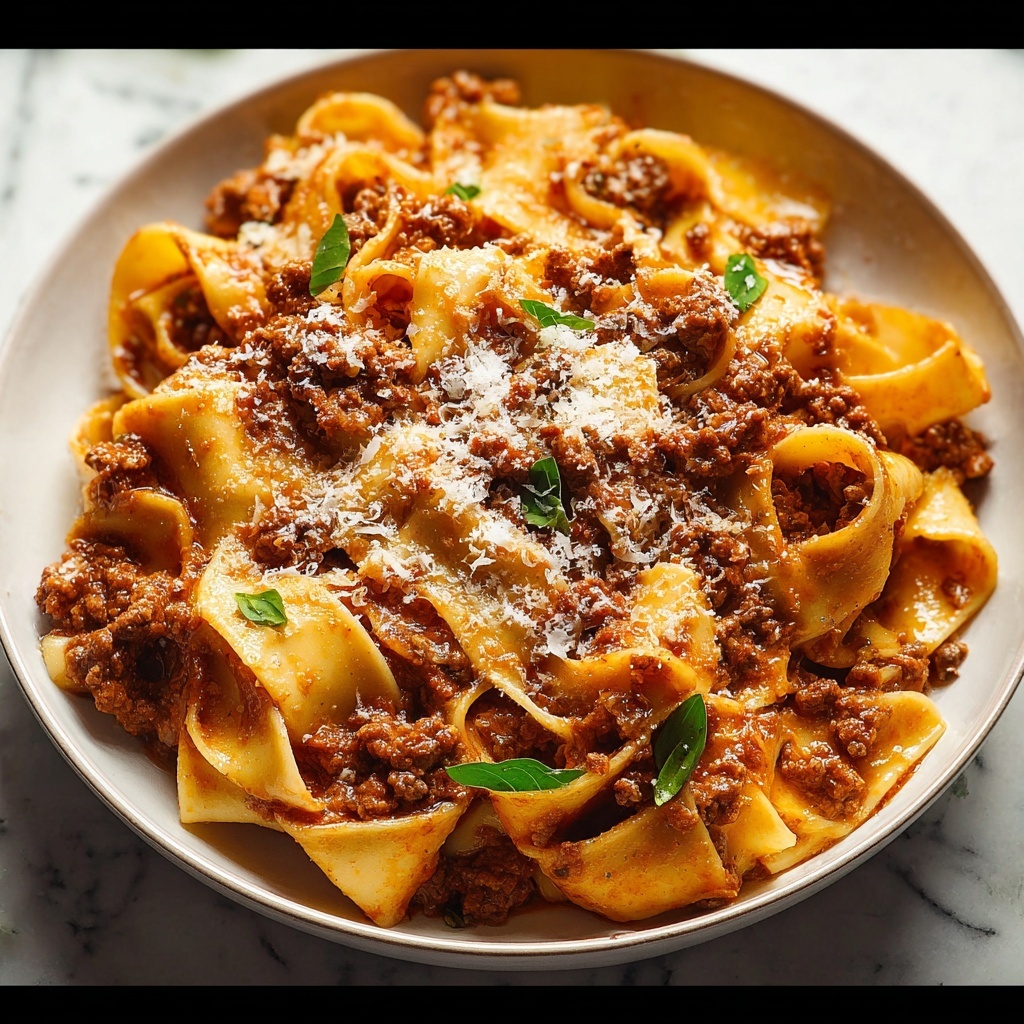
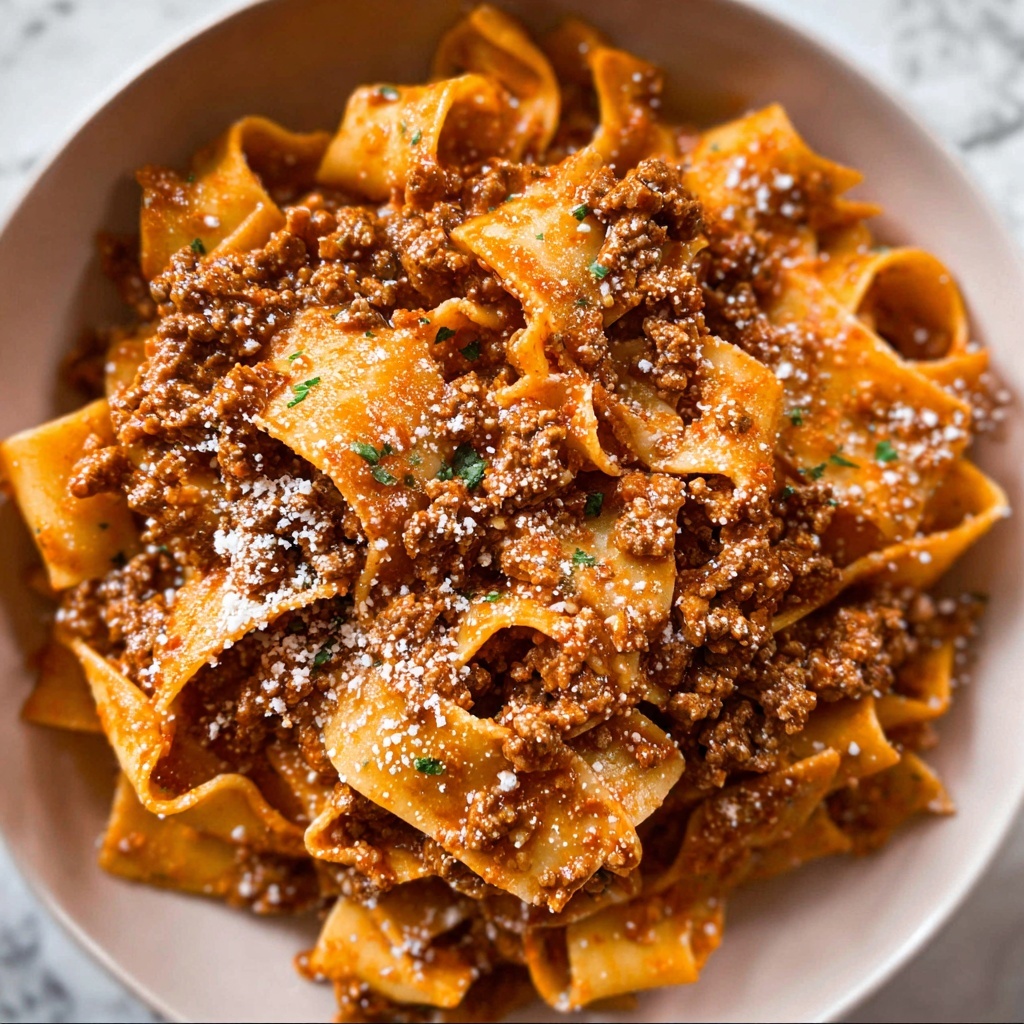
A sprinkle of freshly grated Parmesan cheese is the perfect finishing touch, adding a nutty, salty layer that melts into the warm sauce. For some extra flair, try a few basil leaves or an extra pinch of chopped parsley to brighten the presentation.
Side Dishes
This robust ragu pairs wonderfully with classic Tuscan pastas like pappardelle or tagliatelle. For a low-carb alternative, serve it over creamy polenta or roasted vegetables. Don’t forget a crusty garlic bread on the side to soak up every last bit of that glorious sauce!
Creative Ways to Present
For an elegant dinner, ladle the ragu atop a bed of polenta and top with shaved Parmesan and a drizzle of good olive oil. You can also stuff it into baked pasta shells or use it as a hearty filling for savory crepes. The versatility here invites culinary creativity, making your Tuscan Ragu Recipe truly your own.
Make Ahead and Storage
Storing Leftovers
If you manage to save any (which is hard!), store leftovers in an airtight container in the refrigerator for up to 3 days. The ragu actually tastes even better the next day as the flavors further deepen and meld.
Freezing
For longer storage, freeze the ragu in portion-sized containers or zip-top bags. It freezes beautifully for up to 3 months. Just thaw in the refrigerator overnight before reheating gently on the stove.
Reheating
Reheat slowly over low heat, stirring occasionally and adding a splash of water or broth if the sauce becomes too thick. This helps restore its luscious texture without drying out the meat.
FAQs
Can I use all beef or should I mix meats for the ragu?
You can certainly use all ground beef, but mixing beef with pork adds extra richness and a more complex flavor. It’s a personal preference that you can experiment with to find your favorite balance.
Is red wine necessary in this recipe?
Red wine adds depth and complexity, but if you prefer not to use alcohol, you can substitute with beef broth and a splash of balsamic vinegar for acidity. The flavor won’t be quite the same but still delicious.
What pasta should I serve with Tuscan ragu?
Traditional choices include wide, flat pastas like pappardelle or tagliatelle because their broad ribbons hold the chunky ragu beautifully. However, feel free to use your favorite pasta shapes – it’s all about what you enjoy most!
Can I make this recipe vegetarian?
This classic version relies on meat, but to make a vegetarian take, try substituting ground mushrooms or lentils for the protein and increase the vegetable broth to maintain moisture and flavor.
Why is milk added to the sauce?
The addition of whole milk mellows the acidity of the tomatoes and enriches the ragu, giving it a silky texture and subtle creaminess that rounds out the flavors perfectly.
Final Thoughts
There’s something so heartwarming about stirring a pot of Tuscan Ragu Recipe as it simmers to perfection. This dish not only fills your kitchen with the aromas of Italy but also invites you to slow down and savor every bite of this comforting classic. Whether for a family dinner or a special occasion, I sincerely encourage you to try making this Tuscan Ragu Recipe your own because once you do, you’ll understand why it’s such a beloved staple in Italian cuisine.
Print
Tuscan Ragu Recipe
- Prep Time: 15 minutes
- Cook Time: 1 hour
- Total Time: 1 hour 15 minutes
- Yield: 4 servings
- Category: Main Course
- Method: Stovetop
- Cuisine: Italian
Description
This classic Tuscan Ragu is a rich, hearty Italian meat sauce made with ground beef and pork, simmered slowly with aromatic vegetables, red wine, tomatoes, and herbs. Perfectly seasoned and thickened with milk, it delivers deep, complex flavors ideal for serving over pappardelle or tagliatelle pasta. A comforting main course that captures the essence of traditional Tuscan cooking.
Ingredients
Vegetables & Aromatics
- 1 small yellow onion, finely chopped
- 1 carrot, finely chopped
- 1 celery stalk, finely chopped
- 3 cloves garlic, minced
- 2 tablespoons fresh parsley, chopped
- 1 teaspoon fresh rosemary, finely chopped (or 1/2 teaspoon dried)
- 1 bay leaf
Meat & Proteins
- 1 pound ground beef or a mix of ground beef and pork
Liquids & Sauces
- 2 tablespoons olive oil
- 1/2 cup dry red wine
- 2 tablespoons tomato paste
- 1 can crushed tomatoes (approximately 14 ounces)
- 1/2 cup whole milk
Seasonings
- Salt, to taste
- Black pepper, to taste
Instructions
- Prepare the aromatics: Heat the olive oil in a large heavy-bottomed pot over medium heat. Add the finely chopped onion, carrot, and celery. Cook them until they are softened and fragrant, stirring occasionally to prevent sticking or burning.
- Add garlic: Stir in the minced garlic and cook briefly, about 1 minute, until fragrant but not browned to enhance the flavor base.
- Brown the meat: Add the ground beef or beef-pork mixture to the pot. Season with salt and black pepper. Cook it thoroughly, breaking it up with a spoon to ensure even browning and no large chunks remain.
- Deglaze with wine: Pour in the dry red wine, stirring to loosen any flavorful browned bits from the bottom of the pot. Let it simmer until the wine is mostly reduced, concentrating the flavors.
- Add tomato elements: Stir in the tomato paste, mixing well, then add the crushed tomatoes. This will create the sauce base for the ragu.
- Add milk and herbs: Pour in the whole milk, add the bay leaf and the chopped rosemary. Stir to combine all ingredients thoroughly.
- Simmer slowly: Reduce the heat to low. Cover the pot partially and let the ragu simmer gently for 45 to 60 minutes, stirring occasionally. This slow cooking process thickens the sauce and deepens the flavors.
- Finish the ragu: Remove the bay leaf from the pot. Stir in the fresh parsley. Taste and adjust seasoning with additional salt and pepper as needed.
- Serve: Serve the Tuscan Ragu hot over cooked pasta such as pappardelle or tagliatelle, optionally topped with grated Parmesan cheese for an authentic touch.
Notes
- Slow simmering is key to developing the deep, rich flavors typical of this Tuscan Ragu.
- This sauce pairs best with wide, flat pasta noodles like pappardelle or tagliatelle which hold the chunky sauce well.
- For extra richness, finish the dish with freshly grated Parmesan cheese.
- Leftovers keep well in the refrigerator for up to 3 days and reheat beautifully.